
I’m still figuring this out. I want to be upfront about that. But I know enough to tell you that something fundamental has shifted, and I haven’t been this fired up about technology since the late 90s when I first discovered you could build things on the internet.
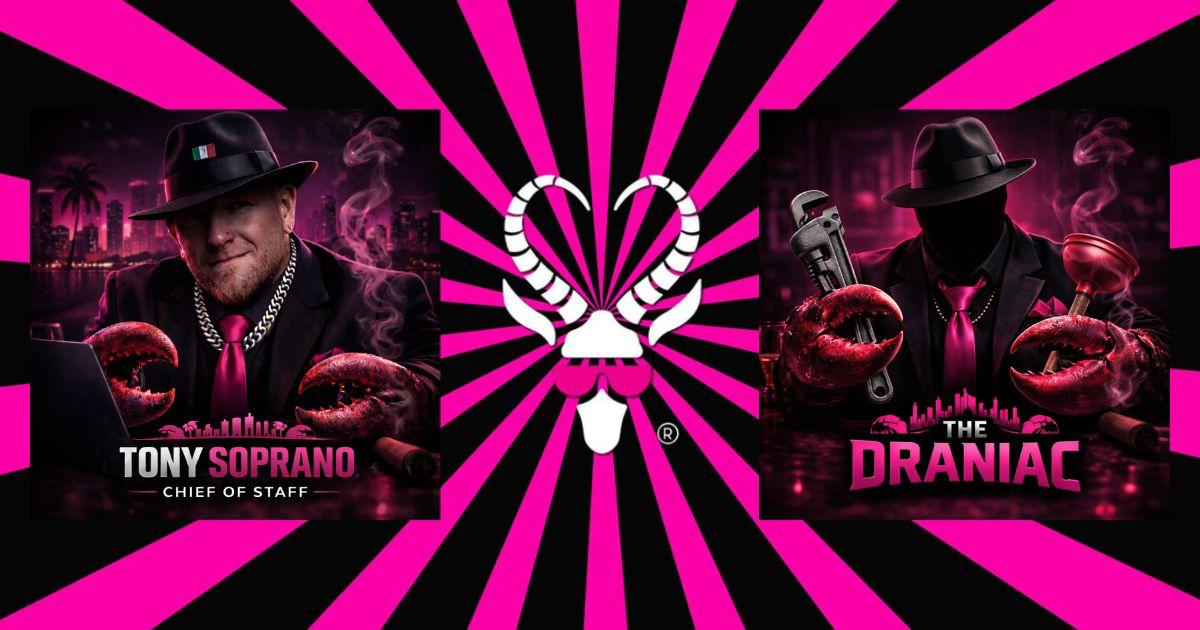
Thirty-six hours ago I installed OpenClaw on my upstairs iMac. You might have heard of it as Claude Code or Mob Bot before it went open source. It’s a self-hosted gateway that connects AI agents to your messaging apps. I started talking to my Chief of Staff through Telegram. His name is Tony Soprano. And before you roll your eyes like my kids do, hear me out.
How This Started
I’d been hearing about this stuff for weeks. Watching from the sidelines. Reading posts, watching demos, trying to figure out if it was real or just another hype cycle. Then I saw a developer who bought a Mac Mini, installed some open-source tools, and built a team of six AI agents that run his entire life. Each one named after a TV character. Each one with real personality, real memory, real responsibilities. Running 24/7. Coordinating with each other. Delivering everything to his phone.
No enterprise platform. No $500/month SaaS subscription. Just a computer and some clever setup.
I knew it was ready. I had enough chops. I love working on the command line. In fact, I don’t even really like the desktop apps or browser interfaces that are available right now. They’re helpful, but they’re not for me. I’m about speed, power, and action. So I dove in.
My brain broke.
Who Am I and Why Should You Care
Quick context because it matters. I’ve been building on the web for over 20 years. WordPress is my world. I’ve built for Microsoft, the NBA, Campbell’s. Led engineering teams at agencies, run my own shop. I’m a New Yorker. Born in Queens, raised in Brooklyn, grew up in Jersey, went to college at the University of Miami where I studied architecture. Lived in Rome in 2005 near Campo de’ Fiori while studying with Miami’s School of Architecture.
I’ve worked in real estate, architecture, construction. Done every job on the planet from blue collar to white collar. I’m currently going through a plumbing apprenticeship because apparently I still can’t just do one thing. I run my own agency on the side of my full-time job. I have three kids. My wife works multiple shifts. I submitted FieldContent, a mobile app I built for field service teams, to the Apple App Store today. Today.
I’m telling you all this because I’m not some kid in a garage with unlimited free time. I’m a guy in Florida juggling more things than any reasonable person should be juggling. And THAT is exactly why this AI agent stuff hit me like a truck.
When you’re already running at 110%, anything that genuinely multiplies what you can accomplish isn’t a nice-to-have. It’s everything.
What We Built
I’m going to keep some of the technical details vague on purpose. Not because I’m gatekeeping, but because I’m still learning what works and what doesn’t, and I don’t want to steer anyone in the wrong direction. What I can tell you is what’s possible.
In 36 hours, Tony and I built organizational systems, content strategies, marketing plans, competitive research, task management, remote access infrastructure, and security hardening. I submitted a mobile app to the Apple App Store. Not a side project collecting dust for six months. A real product, shipped to real users, while simultaneously building an AI operations team from scratch. I did most of it while running errands, going on actual runs, and talking to Tony through Telegram voice messages on my phone. I was at the grocery store with my kids architecting an AI agent team. It’s absurd. It’s amazing.
The possibilities and the runway here are staggering. We’re not talking about a chatbot that answers questions. We’re talking about a persistent assistant with memory, personality, opinions, and the ability to push back when you’re wrong. An assistant that can research, draft, plan, organize, and coordinate. And that’s just ONE agent.
The Dream Team
The 1992 Olympic Dream Team. Jordan, Magic, Bird, Barkley. Eleven NBA players and one college kid. They didn’t just win. They changed what people thought was possible when you put the right specialists in the right roles.
That’s the model I’m building toward. A team of AI agents, each one a specialist with their own personality, their own responsibilities, their own way of thinking. A Chief of Staff who orchestrates everything. A research and planning lead who does the deep strategic work before anyone touches a project. Industry-specific specialists who get called in when the project demands it. QA, accessibility, design, engineering.
Each one gets a soul. And I mean that literally.
The Soul Document
One of the things that genuinely fascinated me about this whole world is the concept of character training and soul documents. Anthropic, the company behind Claude, published research on giving AI models not just guardrails but actual character. Curiosity. Honesty without being unkind. The ability to see many sides of an issue without becoming overconfident. Patience. Wit.
When you build an AI agent, you write it a SOUL.md file. It’s literally a document that defines who the agent is. Its personality, its values, its approach to work. And the agent actually embodies it. Tony has opinions. He pushes back. He has a sense of humor. He’s not a yes-man, and that’s by design.
I can’t wait to dig deeper into this. The idea that we can build AI systems that aren’t just capable but genuinely thoughtful in how they operate? That’s something worth paying attention to.
The Renaissance Thing
When I was living in Rome studying architecture, something clicked that never unclicked. The Renaissance wasn’t about specialists. It was about people who refused to stay in their lane. Leonardo wasn’t just a painter. He was an engineer, scientist, architect, musician. He saw connections between things that nobody else saw because he was curious about everything.
That’s always been my operating system. Developer who does plumbing. Builder who studies architecture. Agency owner who works a full-time job. I just like building things. Fast, with care, always pushing. I like writing comments in my code, I like documenting things, but I also hate being slowed down by anything. I want to move.
I was listening to the Lex Fridman podcast with Peter Steinberger recently and it hit me hard. Peter’s approach to building, to thinking across disciplines, to refusing to accept artificial boundaries between fields. I’ve thought so many of those things my entire career but never fully articulated them. People I’ve worked with over the years would probably say I operate the same way. I just never had the language for it.
AI doesn’t replace the curiosity. It doesn’t replace the creativity or the drive. What it does is remove the friction between having an idea and executing on it. And for someone who hates being slowed down, that’s everything.
What’s Next
I’m going to keep building. Slowly and deliberately, because I’ve learned the hard way that fast and loose sounds cool until you’re the one cleaning up the mess at 2 AM. But the runway here is massive. The possibilities are genuinely exciting. And I think more people need to know about it.
I might start writing about this daily because I think this stuff is fascinating and I think people need to see it, learn about it, and grow with it instead of being afraid of it. This is the first time since the 90s that I’ve felt this level of excitement about what’s possible with technology. That’s not hype. That’s 20+ years of perspective telling me this one is real.
I’m 36 hours in. I’m obsessed. Stay tuned.
I’m going to keep writing about this. If you’re building something similar or want to talk shop, you know where to find me.